
Stereotypes die hard, even in the world of perfume. Even today, perfume store shelves are divided into a men’s section on one side and a women’s section on the other, where you’ll find fragrances labeled “for men” and “for women,” respectively. So what about so-called “gender-neutral” or “unisex” perfumes—those specifically formulated to appeal to both genders without distinction?
Le Studio des Parfums explains the traditional differences between men’s and women’s fragrances in classic perfumery, as well as the history of unisex perfumes—those scents designed to appeal to everyone.
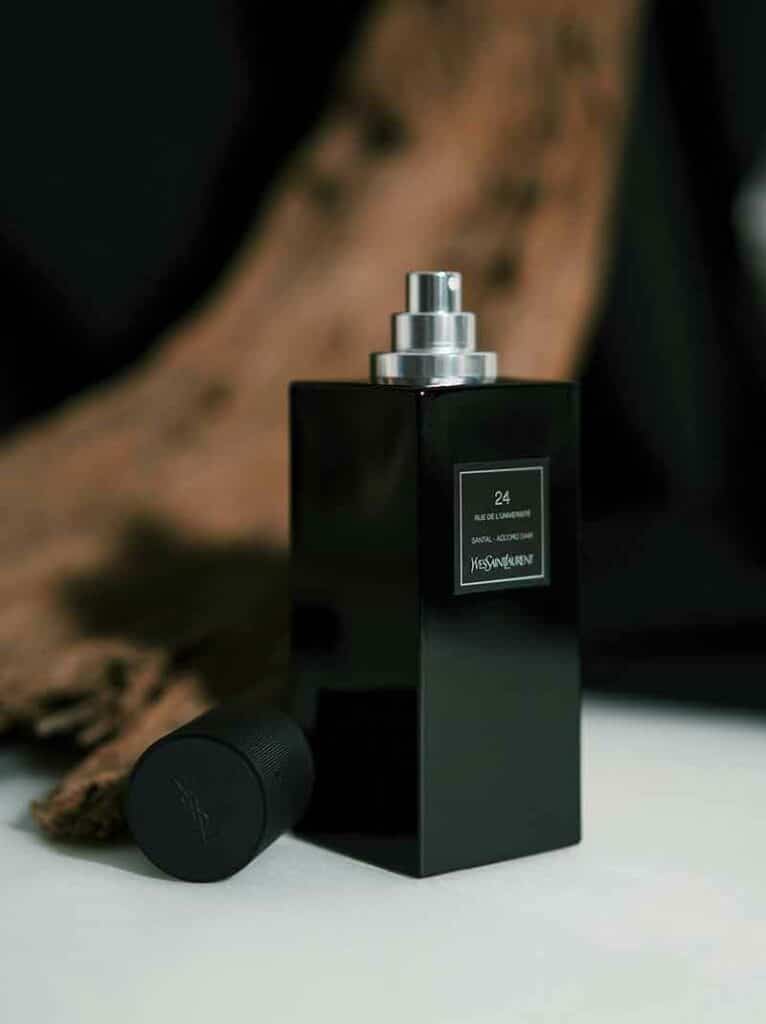
What are the characteristics of men's fragrances?
The scents of gendered perfumes largely reflect traditional views on the roles of men and women in society. As a result, standard men’s fragrances often seek to embody an ideal of strength, power, and masculinity.
This is particularly evident in the woody notes found in men’s perfumes, such as leather, tobacco, and spices. These notes are generally deeper than in women’s fragrances, which are synonymous with freshness and lightness, based on a stereotypical vision of femininity.
Let’s also mention the names of some popular men’s fragrances. L’Homme by Yves Saint Laurent, L’Homme Idéal by Guerlain, Sauvage by Dior: the marketing of these fragrances immediately excludes women who might want a more intense scent than what traditional women’s perfumes usually offer. Just like men seeking a softer fragrance, they are therefore better off investing in a unisex fragrance, halfway between men’s and women’s perfumes.
What are the characteristics of women's perfumes?
Unlike men’s fragrances, standard women’s perfumes are predominantly characterized by soft, floral notes, with rose, vanilla, and jasmine at the top of the list. Others favor gourmand or even sensual scents derived from fruits, cocoa, orange blossom, and so on.
Here, there is no “Ideal Woman”: the names of iconic perfumes like Miss Dior, Coco Mademoiselle, or Guerlain’s La Petite Robe Noire, however, invite men to move on. Available in various shades of pink or in shapes typically associated with women, many bottles also reveal the strongly gendered nature of women’s perfumes, such as the bottle for Cacharel’s Yes I Am, inspired by lipstick design.
Despite these traditional differences between men’s and women’s fragrances, feel free to wear a scent that perfectly complements your personality and tastes, regardless of its label. Consider choosing a unisex fragrance to enjoy a unique scent that matches your own individuality.
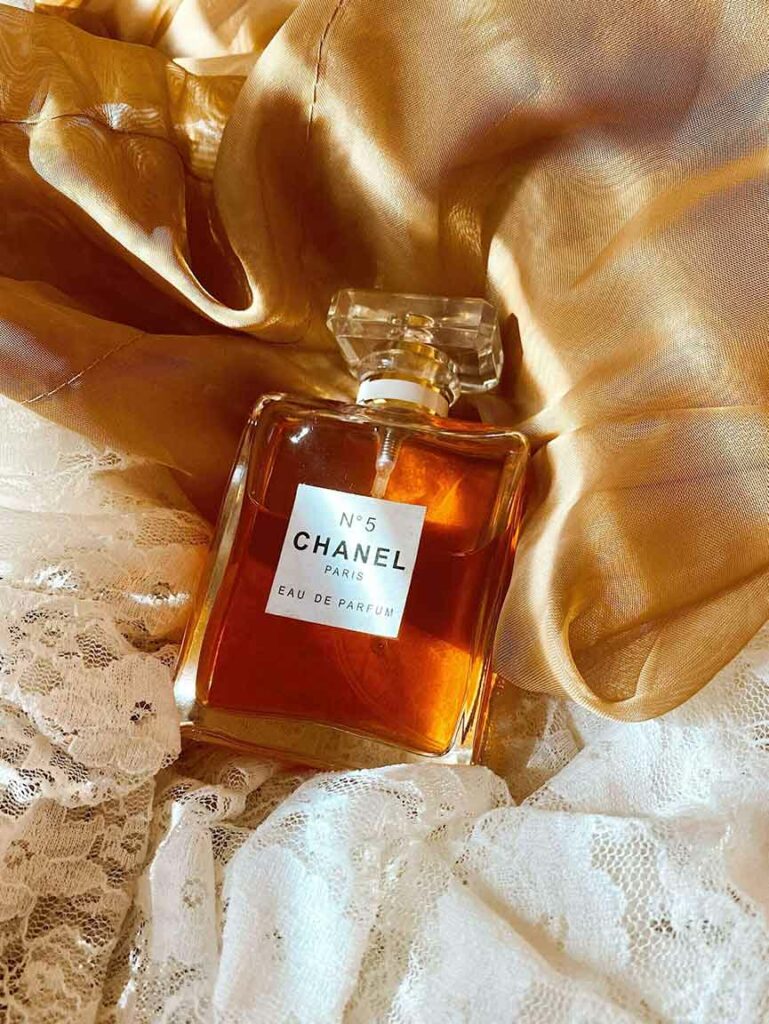
Where does the popularity of gender-neutral perfumes come from?
Unisex fragrances are actually the predecessors of gendered fragrances. It wasn’t until the late 19th century that fragrances specifically for men and women truly emerged, primarily for commercial reasons.
In the West, the first unisex fragrance marketed as such was Calvin Klein’s famous CK One, created in the 1990s. It was a huge hit with consumers—both men and women—looking for a balanced fragrance. Compared to women’s and men’s perfumes, gender-neutral fragrances emphasize more “neutral” ingredients such as musk, lavender, and citrus.
Le Studio des Parfums offers you the opportunity to design your own unisex fragrance during a bespoke creation workshop in the heart of the Marais. Thus, the 100 exclusive notes from our fragrance organ are made available to men and women who wish to create their own personal fragrance free from any gender categorization.