Perfume: A Breakdown of Natural and Synthetic Ingredients
With the rise of organic products, consumers are paying closer attention to ingredients and components. Chemicals now inspire mistrust among consumers. As a result, the term “chemistry” is often viewed as the enemy, while “natural” is seen as a guarantee of health.
In the fragrance industry, the debate centers on natural versus synthetic ingredients.
But does “synthetic” necessarily mean “dangerous”? Does “natural” equate to “safety”? In this article, we reveal all!

Differences Between Natural and Synthetic Ingredients
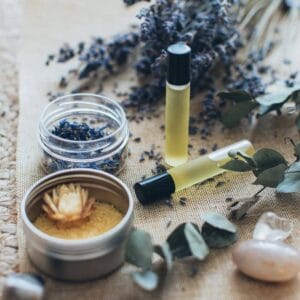
In perfumery, a wide variety of natural ingredients such as flowers, seeds, wood, and beans are used. Generally, these components are extracted from their natural sources to be incorporated into perfumes without undergoing any chemical processing.
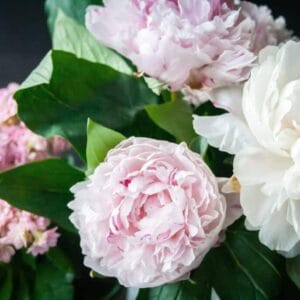
However, extraction does not apply to every ingredient in perfumery. Certain flowers known as “silent” flowers, such as lily of the valley, violet, or carnation, are fragile and odorless after extraction; as a result, perfumers often recreate their scents using synthetic raw materials.
The advent of synthetic molecules
It was in the mid-19th century that synthetic molecules first appeared, alongside the development of organic chemistry. This discovery allowed perfumers to expand their palettes and reinvent themselves. Synthetic ingredients thus enabled them to create and offer even more fragrances with surprising olfactory dimensions.
Furthermore, animal welfare concerns have led to the ban of these notes in perfumes. As a result, synthetic chemistry has provided perfumers with an alternative for recreating scents such as musk, civet, or castoreum. These animal notes are essential for creating a perfume with character and sensuality, and for prolonging a fragrance’s sillage.

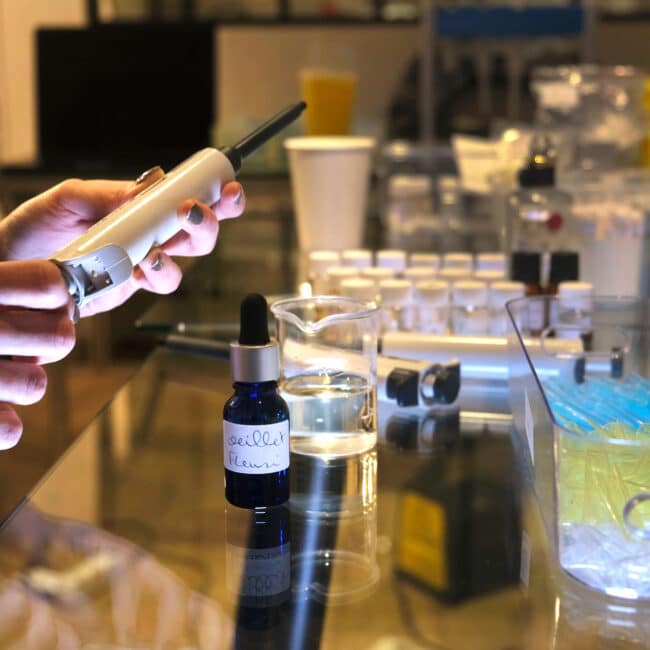
A Commitment to Natural Ingredients at Studio des Parfums
Since 2006, our commitment to environmental protection has been reflected in our products, which are made from over 60% natural ingredients and are free of artificial colors and preservatives.
If you’d like to learn more about the world of perfumery and our perfume organ, book your spot here today.