Eau de Parfum, Elixir: Discover the Secrets of Fragrances!
You love perfumes and already know that they can turn an ordinary day into a memorable experience. But how often have you wondered what lies behind each bottle? In this article, we’ll take a closer look at the different categories of perfumes—eau de parfum, elixir, eau de toilette, and extract. Get ready to deepen your passion by discovering the nuances that make all the difference.
Definitions of key terms: Eau de Parfum, Elixir, Parfum, and more
Eau de Parfum: This category contains between 15% and 20% fragrance concentrate. Its rich composition allows for a complex olfactory evolution, ideal for those who appreciate the depth of the notes.
Elixir: With a concentration of up to 30%, the elixir is designed for those seeking exceptional intensity. It reveals unique facets of the ingredients, making each application an unforgettable sensory experience.
Perfume Extract: This is the most concentrated form, with a concentration of 20% to 40%. For enthusiasts, it offers the chance to explore the richness of essential oils and the delicate nuances that define a fragrance.
Eau de Toilette: Containing between 7% and 12% fragrance concentrate, it is often chosen for its lightness. It offers the ideal freshness for everyday use.
Eau de Cologne: Lighter than Eau de Parfum, it generally contains between 2% and 5% fragrance concentrate, making it perfect for hot days and as a refreshing splash.
Eau Fraîche: Contains between 1% and 3% aromatic compounds.
Composition and Concentration of Fragrances
Eau de Parfum: With 50–60% 90° alcohol, 10–20% aromatic ingredients, and glycerin, it reveals top, middle, and base notes for a rich and evolving experience.
Elixir: Its high concentration allows for the creation of intense scents, where each ingredient can fully express itself. Enthusiasts will appreciate the complexity and depth that an elixir can offer.
Extract: With a concentration of 20–40%, it offers unmatched depth, allowing you to appreciate every nuance of a composition.
Eau de Toilette: Less concentrated (7–12%), it emphasizes lightness and freshness, making it ideal for sunny days.
Scent longevity
Eau de Parfum: 4 to 6 hours
Elixir: 8 to 12 hours
Extract: Up to 24 hours
Eau de Toilette: 3 to 5 hours
Eau de Cologne: 2 to 4 hours
Usage and Application
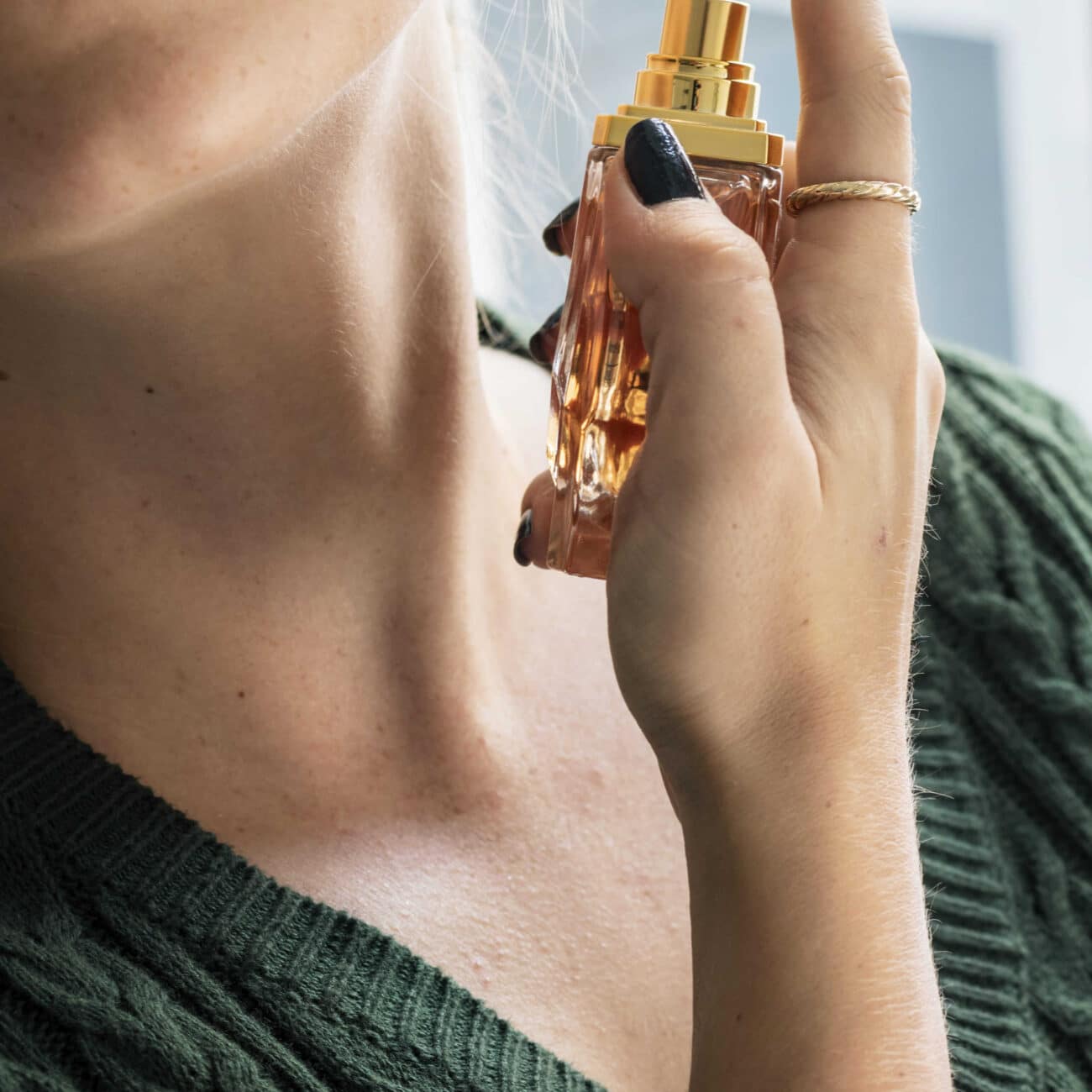
Eau de Parfum: Apply to pulse points (wrists, neck) for optimal diffusion throughout the day. You’ll love how the notes evolve.
Elixir: Use sparingly to savor its intensity. Every drop can transform your olfactory experience.
Extract: Perfect for special occasions; apply it to clothing for long-lasting wear.
Eau de Toilette: Ideal for everyday use; spray generously for a refreshing sensation.
Pros and Cons of Different Fragrances
Eau de Parfum: Pros: richness and longevity. Cons: high cost.
Elixir: Pros: intensity. Cons: may be too strong for certain occasions.
Extract: Pros: luxury and longevity. Cons: very high price.
Eau de Toilette: Pros: lightness and affordability. Cons: limited longevity.
Eau de Cologne: Pros: freshness. Cons: shorter longevity.
The Perfume Studio's Selection
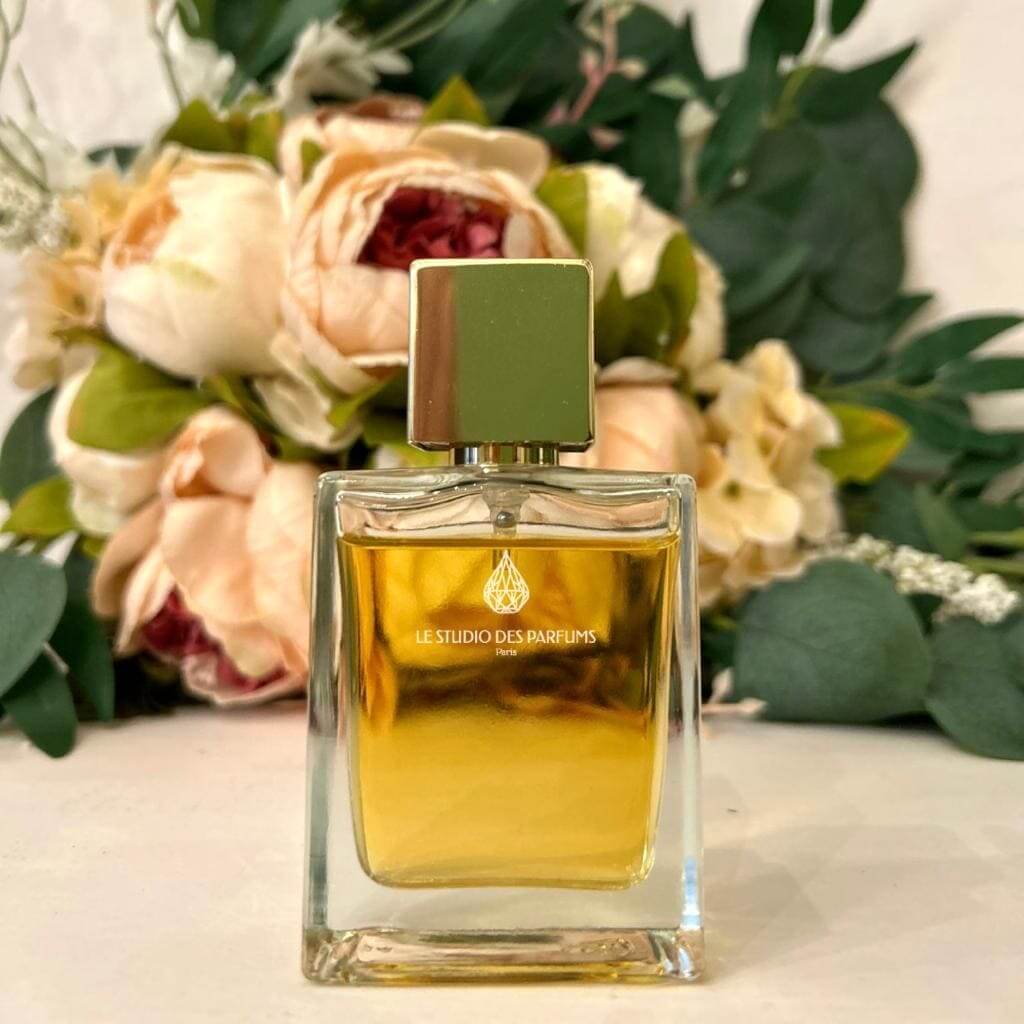
At Studio des Parfums, we have chosen to focus on creating eaux de parfum because we want to offer our customers the very best in perfumery. Eaux de parfum, with a higher concentration of fragrance oils than eau de toilette and eau de cologne, guarantees longer-lasting wear and a scent intensity that enhances every note. Furthermore, it offers greater creative freedom, allowing us to craft unique compositions perfectly tailored to your tastes. Explore an infinite world of scents and create your own custom fragrance using our fragrance organ, which contains over 100 exclusive notes.
Now you have every reason to come create your own perfume with us. Come discover our perfume organ and create your own custom fragrance. If you’d like to learn more about the differences between eau de parfum, eau de toilette, and perfume extract, check out our article on the subject.