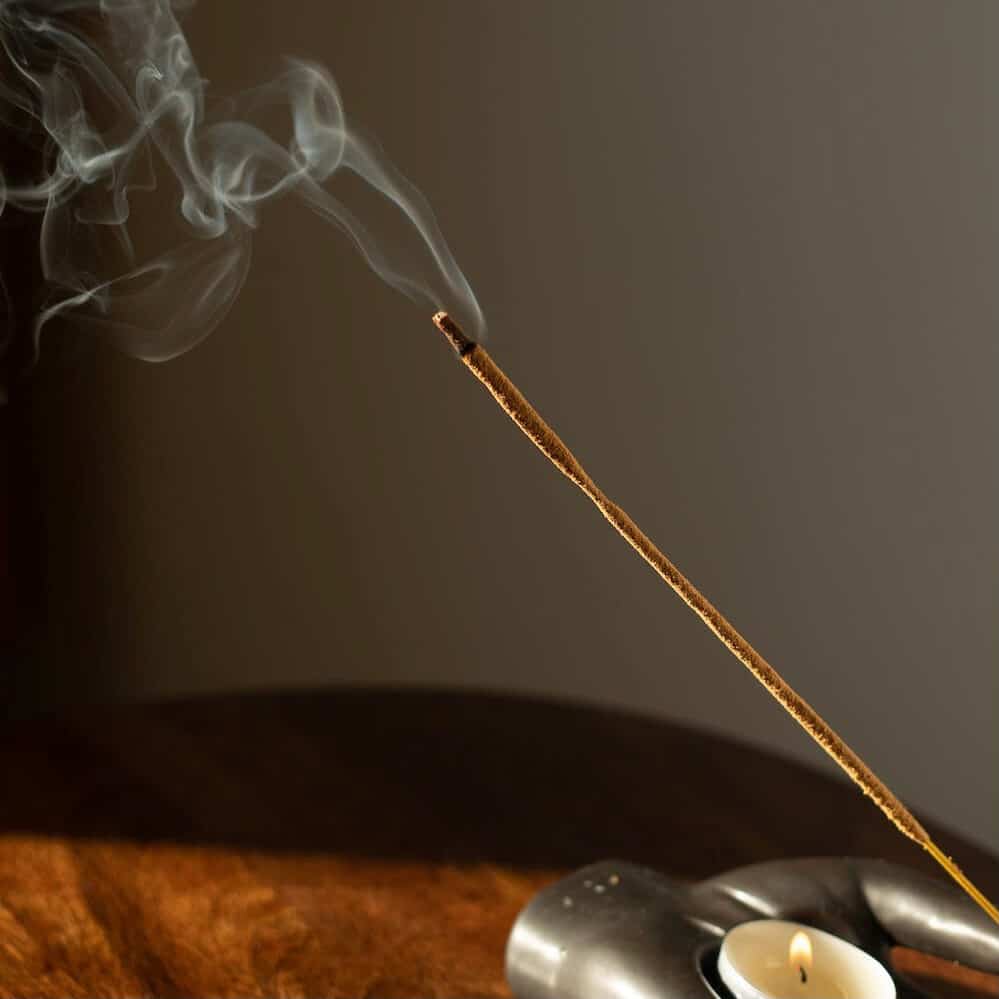
Since ancient times, perfume has played a significant role in nature and in people’s daily lives. The term “perfume” actually comes from “per fume,” meaning “through smoke,” in reference to the smoking essences and the powerful scent released during ancient religious rituals and worship.
In the Middle Ages, however, perfumery experienced a certain decline, but by the Renaissance, it returned to the forefront, particularly among nobles who used perfume to mask their body odors, or thanks to European explorers returning with novel raw materials—such as cocoa, vanilla, and tobacco—whose scents could be harnessed. At the time, perfume was custom-made, primarily using carefully selected natural ingredients, for a privileged segment of the population. The bottle was a personal and highly prized work of art, also personalized, which the bourgeoisie of the era enjoyed having refilled as needed at their favorite perfumer’s.
Subsequently, the royal court at Versailles embraced the fascinating world of perfumery, transforming it into a true art of living, synonymous with luxury and France. From then on, Grasse became the capital of perfume, with its flourishing fields and raw materials of exceptional quality.
Finally, it was also during this period that perfumers began to settle in Paris and that the French nobility developed a particular fondness for small accessories combined with perfumes and dyes, such as scented gloves. And in 1956, the French Guild of Scented Glove Makers was founded.
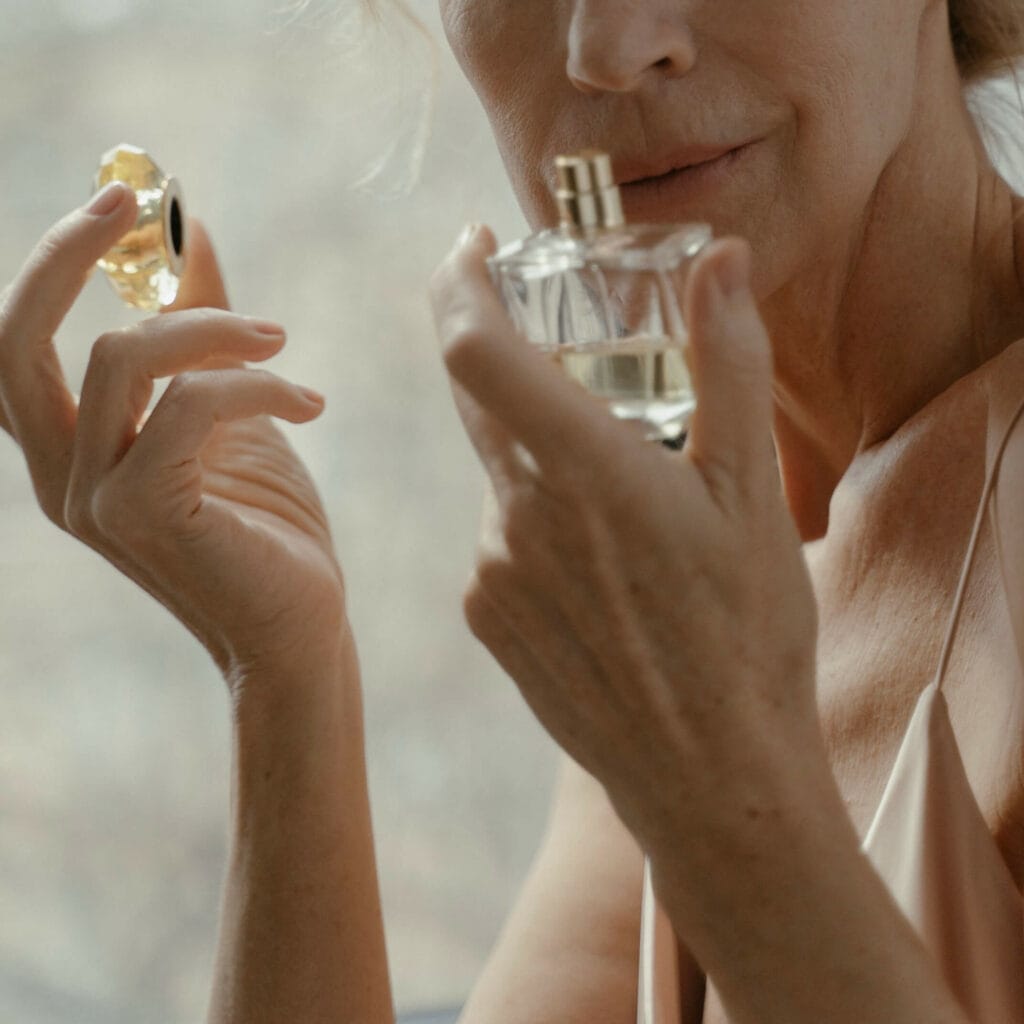
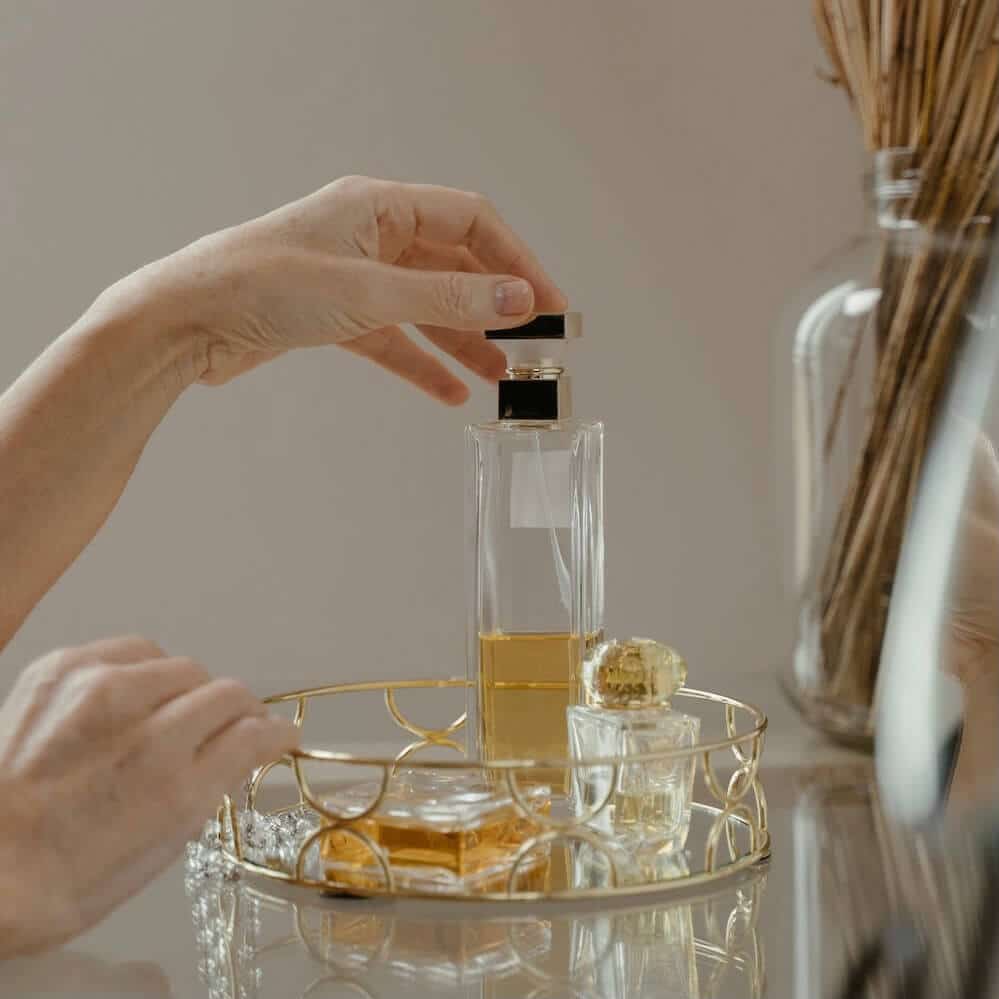
The 19th century marked the beginnings of what can be considered “modern perfumery”; perfumers began offering collections of bottles, creating recognizable lines and scents… It was no longer just about gloves, gift sets, and scented accessories; it had become a genuine, authentic offering from perfumers: a unique fragrance, its accompanying bottle, and an evocative name.
We speak of the Belle Époque of perfumery between the years 1900 and 1950. We see the emergence of what we consider today to be classics, true milestones in perfumery, such as Guerlain’s authentic Shalimar.
Fashion designers have also taken an interest in perfume as a genuine component of fashion. Notable examples include the famous Chanel No. 5, Miss Dior, and Nina Ricci’s L’Air du Temps… Soon, everyone wanted to create and offer their own fragrance—an element that should not be overlooked, as it completes an outfit.
From the 2000s to the present day, we have seen a real democratization of perfume, with ready-to-wear brands embracing it… Perfume has become an indispensable tool of seduction, available in many forms and products, for everyone’s olfactory pleasure.